Guide · Educational · 7 steps
How to make a budget that fits real life.
A simple monthly plan for your income, bills, spending, and savings—so you know what is safe to spend before you buy.

The idea
What a budget isand why monthly works.
A budget gives your money a plan before spending gets automatic. It helps you see what bills, savings, and daily purchases can fit this month.
Plan month by month
Most bills and paychecks happen monthly, so a monthly budget is a practical place to start.
Decide early
Planning ahead helps you know what is safe to spend before you buy.
Apps optional
Paper or a spreadsheet can work. An app helps when you want the numbers with you.
Ground truth
Before you start, two snapshots.
No full review needed. Just gather enough real numbers to make your first month useful.
Snapshot A
Income reality
- What lands after taxes this month?
- What is steady vs lumpy?
- Which deposits do you actually budget from?
Snapshot B
Recent spending clues
- Glance at groceries, dining, subscriptions.
- Note surprise fixes or annual renewals.
- Pick starter amounts you can actually use.
Irregular income cheat sheet
Plan from an income number you can count on in a slower month. If extra money comes in, assign it after bills, essentials, and savings are covered.
The checklist
Seven moves from income to clarity.
Start from money you can rely on, lock in what must clear first, then shape flexible spending, savings, and a monthly picture you can update when plans change.
Step 01
Know how much money you are planning with.
Plan from money you can count on, not a best-case guess.
Take-home you can use
Plan from pay and support that actually lands this month after taxes, not a hoped-for raise.
Any pay schedule
Weekly or biweekly still rolls into one monthly picture: estimate what clears in this calendar month.
When pay jumps around
Pick a conservative number you know you can hit, then treat windfalls as assignable later—after essentials breathe.

Step 02
List bills and obligations that do not flex much.
Anchor fixed costs first so flexible spending stays honest.
Housing & utilities
Rent, mortgage, power, water, insurance minimums—the costs that rarely negotiate with you.
Subscriptions & minimums
Streaming, transit passes, loan minimums, childcare—anything that must clear before fun money.
Why anchors matter
Knowing what is already planned keeps flexible categories realistic.

Step 03
Add flexible categories from real life.
Fewer honest categories beat a pile you will not maintain.
Name the real buckets
Groceries, dining, hobbies, gifts—where money already leaves without asking permission.
Memory first
Start from how you live. Check last month only if it helps you choose better numbers.
Split with purpose
Add a category only when splitting it changes what you decide to buy.

Step 04
Protect savings and debt goals on purpose.
Treat savings like a bill you choose, not whatever is left.
Line-item the goals
Emergencies, trips, extra debt snowballs—fund them like chosen bills, not leftovers.
Small and steady
Modest monthly beats one heroic week you never repeat.
Before flex spending
Protect goals early so daily purchases do not quietly eat the future.

Step 05
Assign dollars until the plan balances.
Zero-based means every dollar is named—including fun and cushion.
Named zero or cushion
Run income minus plan down to zero—or a buffer you can point at on purpose.
When math fights you
Adjust categories before you pretend the numbers fit.
Clarity over perfection
The goal is a plan you can use, not a perfect score.

Step 06
Track spending as you go.
Small check-ins beat a big end-of-month cleanup.
Update after spending
Move category balances when you buy so “available” stays real.
In the moment
Answer whether this purchase fits—not your past self in panic mode.
Use it or lose it
A budget only helps if you check it while the month is still happening.

Step 07
Review weekly and move money without starting over.
Moving money between categories is success—not failure.
Rebalance freely
Overspent groceries, underspent fun? Move dollars and keep going.
Weekly eye
A short glance keeps drift visible before it snowballs.
Flexible moves
The win is staying on track, not keeping a perfect score.

Works like a worksheet—just easier to update.
Want to turn the steps into a monthly plan? Pigi's monthly budget planner walks through income, bills, savings, and everyday spending.
Compare approaches
Pick a budgeting style you will actually use.
Three common frameworks—the best one is the one you will actually use month after month.
Comparison table for three budgeting methods: fifty thirty twenty, zero-based budgeting, and pay yourself first.
Best for
Picking a method you will stick with
50/30/20
Needs · wants · savings
Zero-based
Every dollar named
Pay yourself first
Automate · one flex pool
Best for
Structure
Effort to maintain
Pairs well when…
Common budgeting mistakes → quick fixes
Mistake
Too many categories
Fix: Start broad. Split a category only when it changes your spending choices.
Mistake
Unrealistic numbers
Fix: Start with amounts you can actually live with, then adjust after one month.
Mistake
Only saving leftovers
Fix: Add savings to the plan first. Leftover money can help, but it should not be the whole plan.
Put it into practice
Ready to build your monthly plan?
Use the monthly budget planner walkthrough to turn these steps into a simple plan for income, bills, savings, and everyday spending.
Related guide
Monthly budget planner
Turn the steps into a simple ready-to-use monthly plan.
Related guide
Budget categories
Choose starter categories for bills, spending, savings, and debt.
Related guide
Zero-based budgeting app
Give each dollar a job without making the method feel heavy.
Related guide
Safe-to-spend budget app
Compare your bank balance with category money you can actually use.

Budget basics FAQ
Questions along
the way.
Straight answers about apps, irregular income, zero-based budgeting, sticking with it, and how Pigi fits in.
No. Pen and paper or a spreadsheet works if you will keep it updated. Apps help when you want the math done for you and an easy “safe to spend” number before you buy.
psst… clearer
spending starts here
Download the app
Pause the impulse
then spend on purpose.
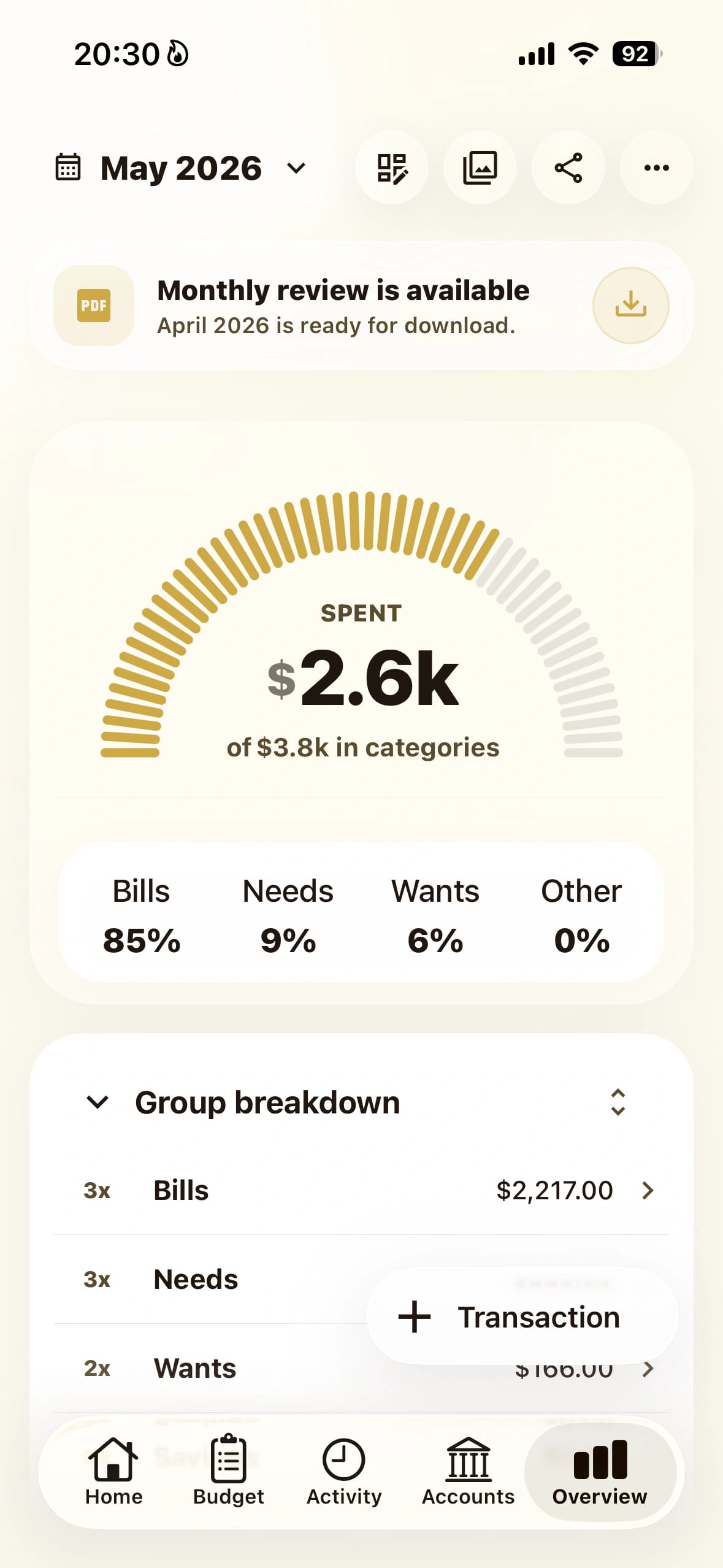
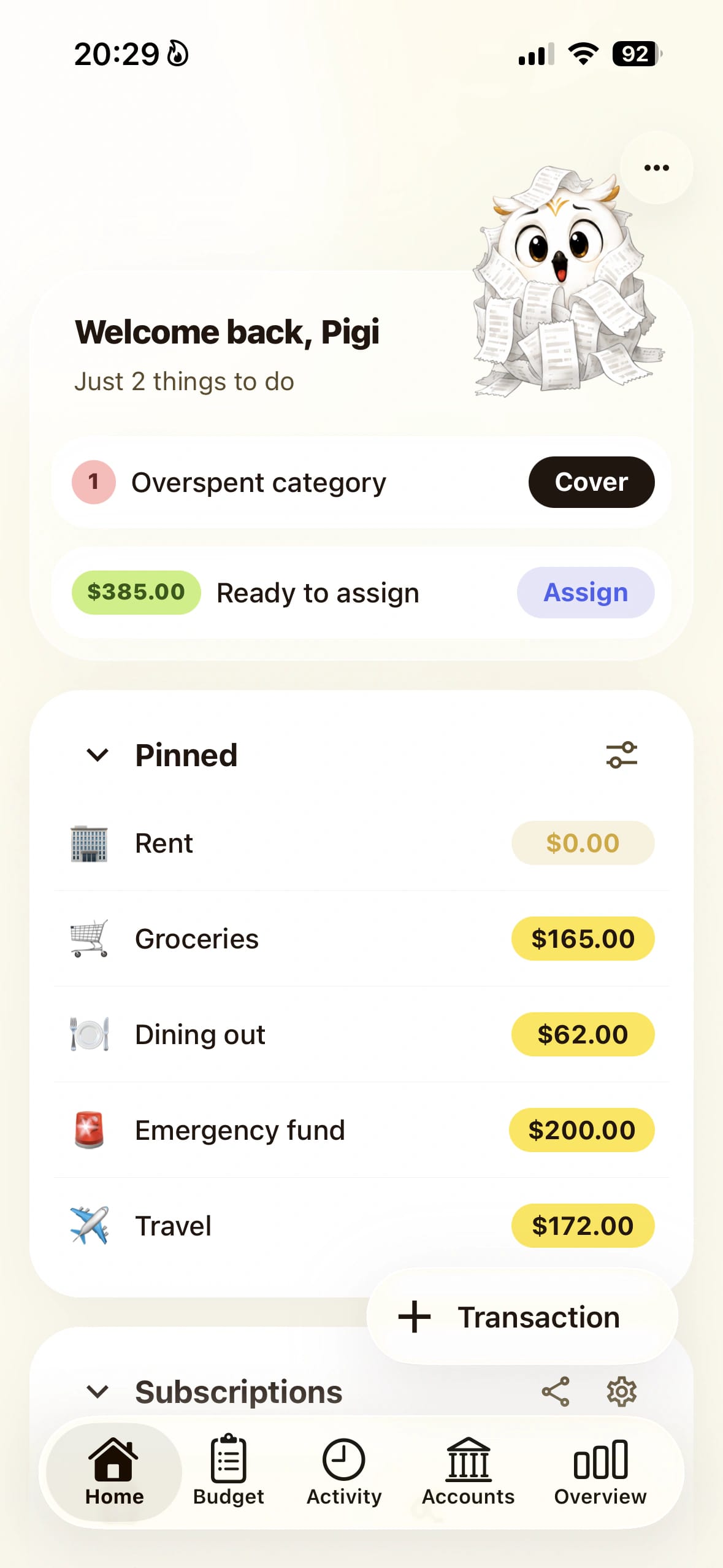
Open Pigi, check your plan, and decide in the moment without second-guessing every swipe.

Here’s to the first page of your easier money story.
Take it slow — we’re rooting for you.
with care, the Pigi team